Five things to know before you book
- The audio guide comes with admission and the owner recorded it. Italian, English, French and Spanish only, subject to availability, collected at the desk. What that means in a building with almost nothing on the walls.
- It closes on Wednesday, not Monday. Rome trained you for the wrong day, and a third-party claim that it shuts only on the third Wednesday of the month is wrong. The closing days, including the three annual ones.
- There is no cloakroom and no lift. Large luggage, bags and rucksacks are barred from the gallery, and you walk up from street level to the piano nobile. What to do with a rucksack.
- Tickets are sold at the door here. The Galleria Borghese caps the building at 180 people per shift and sells nothing on the day; this place does neither. The two private-feeling galleries, compared.
- There are three Caravaggios, not two. Most lists name the Magdalene and the Rest on the Flight into Egypt and stop there. The third one, and why it gets missed.
What admission already covers, and what it does not
Two lists. The gap between them is what a listings page is selling you, and I spent seven years handing the left-hand column over a counter to people who had already bought it twice.
Comes with the ticket
- Entry to the four wings around the courtyard, plus the Aldobrandini Room and the Room of the “Primitives”. The route, room by room
- The audio guide, in Italian, English, French or Spanish, subject to availability — the Italian wording is fino ad esaurimento, while supplies last, so arriving late in the day is a risk. Whose voice it is
- The Velázquez Portrait of Pope Innocent X in its own cabinet, with Bernini’s marble bust of the same pope beside it since 1927. The picture, properly
- As long as you want. The gallery recommends about 90 minutes following the audio guide and enforces no time limit. How long people actually stay
Separate, or not there at all
- The Secret Apartments and the Bath of Diana. Four themed rooms off the standard route, run by a separate entity with its own hours. What you get and what you do not
- A human guide. Only one of the six listings puts a person in front of the pictures and lets you ask them something. When that is worth it
- The evening concert in the Princess’s Secret Apartment, which is an evening of early Italian opera and Vivaldi and not a gallery visit. Read that line twice
- A cloakroom, a lift, and German on the audio guide. None of the three exists here, whatever a third-party listing tells you. The stairs, and what we cannot confirm
The visit, in the order the gallery sends you
The official room sequence, collapsed to ten stops.
You come up to the first floor and you are in a house, not a museum. The pictures are hung salon-style, floor to ceiling, in the palace corridors rather than in conventional galleries, grouped for symmetry and style rather than by school or date, following the late eighteenth-century arrangement described in a manuscript of the Doria Pamphilj Historical Archives dated 1767. There is little or no conventional museum labelling to help you. The audio guide is the interpretation. Why it looks like this.
- Jupiter Room — First room on the official order, and the start of the state rooms. The state-room ceilings were frescoed for the 1767 renovation by Crescenzio Onofri, Aureliano Milani and Stefano Pozzi, in the same year as the inventory that still governs the hang.
- Poussin Room — Landscapes covering the wall almost from floor to ceiling, with canvases by Guillaume Courtois up near the ceiling. Stand back before you start picking out individual pictures; the wall is the exhibit.
- Velvet Room and the Ballroom — Two more state rooms before the corridors begin. This is still the family’s house: the official site says the piano nobile Private Apartments are still inhabited by the descendants of the family. Yes, really.
- Cadmus Room — The last of the state rooms on the route, and the point where the building changes character from rooms to wings.
- First Wing — The four wings, the Bracci, were built between 1731 and 1734 by Gabriele Valvassori, and the arrangement you are looking at was designed by the architect Francesco Nicoletti. This is where the stacking starts in earnest.
- Velázquez Cabinet — The Portrait of Pope Innocent X, oil on canvas, 141 by 119 centimetres, painted probably in the summer of 1650, in a room of its own with Gian Lorenzo Bernini’s white Carrara marble bust of the same pope, shown alongside it since 1927. Hippolyte Taine called it the masterpiece amongst all portraits.
- Hall of Mirrors — The second wing, designed in 1731: gold-framed Venetian mirrors alternating with classical statuary under Aureliano Milani’s ceiling fresco of the Labours of Hercules, painted 1731–1734. The Hercules subject nods at the family’s claimed mythological ancestry.
- Rooms on the Corso — Facing the street the palace is named for. Jan van Kessel the Elder’s oil-on-copper still lifes hang here, and they are small: get close.
- Aldobrandini Hall — The Salone Aldobrandini opened in 1838, the last major addition to the building. The Aldobrandini pictures arrived with Camillo Pamphilj’s marriage to Olimpia Aldobrandini. How the two families merged.
- Green Room — Hans Memling’s Lamentation over the Dead Christ with a Donor, about 1470; Filippo Lippi’s Annunciation, about 1445–1450, which Prince Jonathan has singled out in interview as unusually Anglo-Saxon in taste for an Italian collection; and Francesco Pesellino’s Miracle of Saint Silvester of 1450–53.
About 90 minutes is the gallery’s own figure and it is a fair one for the route above with the commentary running. Other guides say one to two hours. One reviewer spent nearly four and still could not take it all in, which tells you there is no clock on you. What changes the number, and what to stop at if you are short.
How booking through this site works
Decide whether you need a reservation at all
The gallery says access cannot be guaranteed without one, and entry runs in 30-minute slots. It also sells tickets at its own office on site, and walk-up availability is generally reported as good, thinning from April to October and on Friday to Sunday mornings. Those two statements sit next to each other; both are true.
Check what the listing actually adds
Three of the six products here go through the same door on the same route with the same commentary. Three do something a ticket cannot do. The titles will not always tell you which is which, so read the inclusions line rather than the headline.
Ignore the words “with audio guide” in a title
They are not a lie, but they are not an upgrade either. The desk hands one out with admission while supplies last, in four languages, German not among them.
Check live dates below
Availability comes straight from GetYourGuide with instant confirmation. We take no bookings and issue no tickets of any kind. We are an independent guide, not the gallery and not an operator.
Check dates on the ticket most people buy
The plain reserved entry ticket sits at 4.7 from 1,910 reviews, by a long way the biggest review sample of any Doria Pamphilj listing anywhere — the next largest has 130. It gets you the same route and the same audio guide as everything else in the catalogue, which is exactly why it is the sensible default. Collect it at the gallery ticket desk, Via del Corso 305, and arrive at least ten minutes before your entry time; the listing carries free cancellation up to 24 hours ahead and lists English, French, Italian and Spanish. Our review of this one.
Three listings that do three different things
The left-hand column is the default and I am featuring it, because 1,910 reviews at 4.7 is the only large, trustworthy sample on this attraction. The other two are here because they are the two products that genuinely go somewhere a plain ticket cannot: a live guide in front of the pictures, and four rooms that are not on the standard route. Read the sample sizes in the second row before you read the scores above them.
| Start hereRome: Doria Pamphilj Gallery Entry Ticket | Rome: Doria Pamphilj Gallery Guided Tours | Doria Pamphilj: Bath of Diana & Secret Rooms | |
|---|---|---|---|
| Rating | 4.7 | 5.0 | 4.0 |
| Reviews behind it | 1,910 | 19 — say that out loud | 21 |
| What it opens | The standard gallery route: four wings, the state rooms, the Aldobrandini Room and the Room of the “Primitives” | The same route, walked with a guide | Four themed rooms and the Bath of Diana, which are not on the standard route |
| Who explains the pictures | The prince’s own commentary, handed out at the desk | A person you can interrupt. Reviewers name Alessandra, Martina and Silvia | A guide, for a short look at four rooms |
| Duration | 2 hours – 1 day | 2 hours | 1–3 hours |
| Languages | English, French, Italian, Spanish | English, Italian, French | Not stated in what we recorded — ask before you book |
| Run by | The gallery, at its own ticket desk | The operator, meeting you at the gallery | A separate entity, Trust Floridi Doria Pamphilj, with its own hours — including Wednesdays, when the gallery is shut |
| Bags and stairs | No cloakroom, rucksacks barred, no lift | The listing says backpacks are not allowed and that it is not suitable for wheelchair users | Same palace, same stairs |
| Book it if | You want the gallery and nothing complicated | You would rather ask questions than listen to a recording | You already know the gallery, or you want the rooms more than the pictures |
| The thing to check | Your entry time, and that you are not carrying a rucksack | That you are comfortable with nineteen reviews behind a perfect score | Its hours, separately from the gallery’s |
| Book this → | View → | View → |
Photo Gallery
Nine frames from inside the palace
Nine of the things I would point at if I were walking you round: the corridors, the mirrors, the pope, the courtyard. Tap any of them to open it full size.
All six Doria Pamphilj listings we cover
Six products, and three of them put you through the same door on the same route with the same commentary. The cards carry a duration where you would expect a figure, because nothing on this site is quoted in figures — the operator’s own widget handles that part. The hub, with the honest audit of what each one adds.
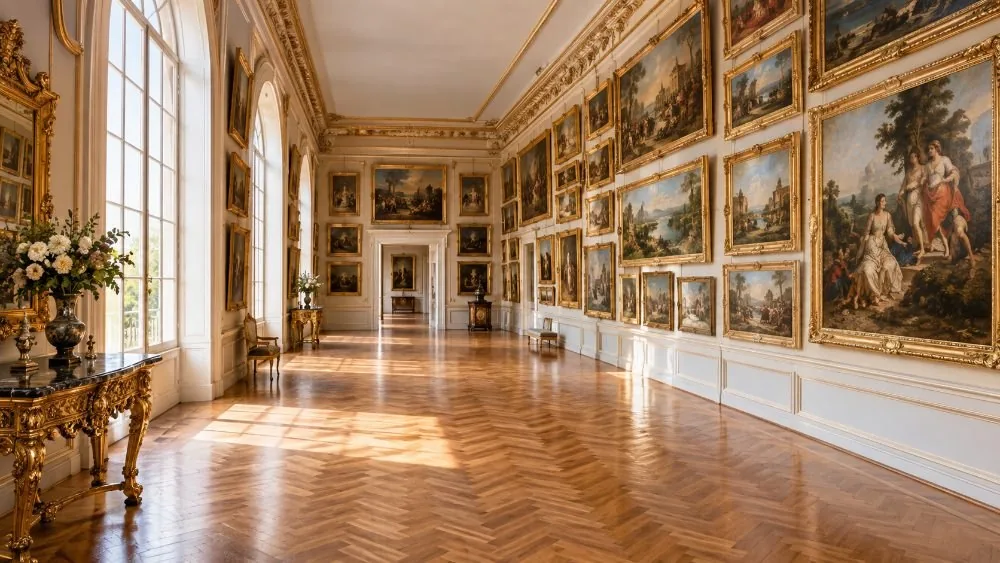 Most reviewed
Rome: Doria Pamphilj Gallery Entry Ticket
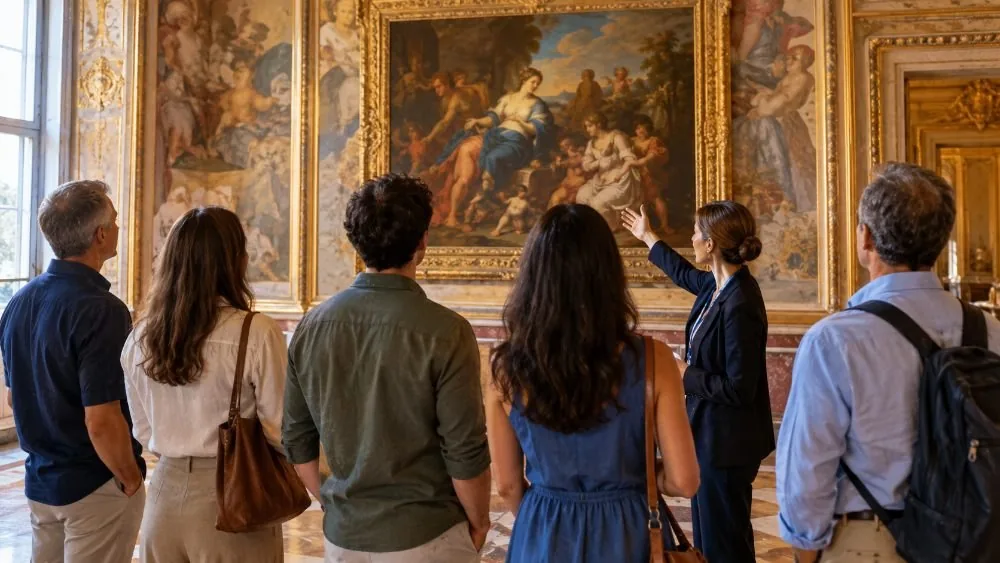 Best rated
Rome: Doria Pamphilj Gallery Guided Tours
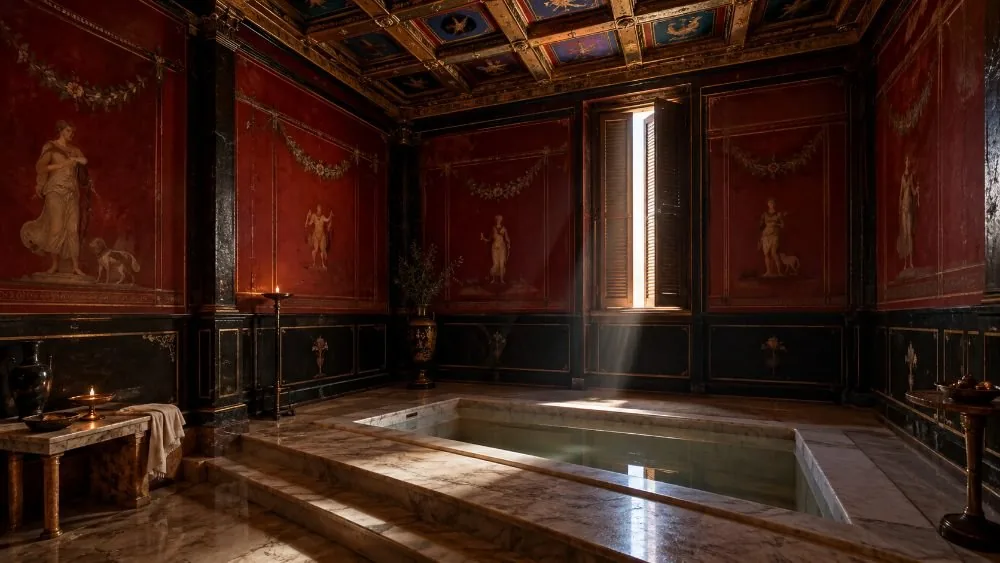 Rooms off the route
Doria Pamphilj: Bath of Diana & Secret Rooms
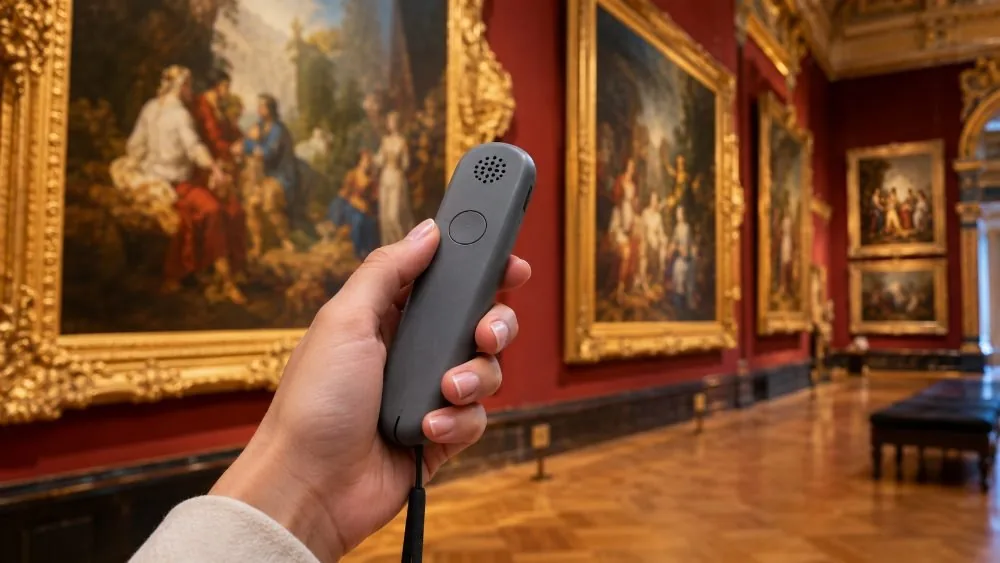 Entry & commentary
Doria Pamphilj Gallery Entry Ticket and Audio Guide
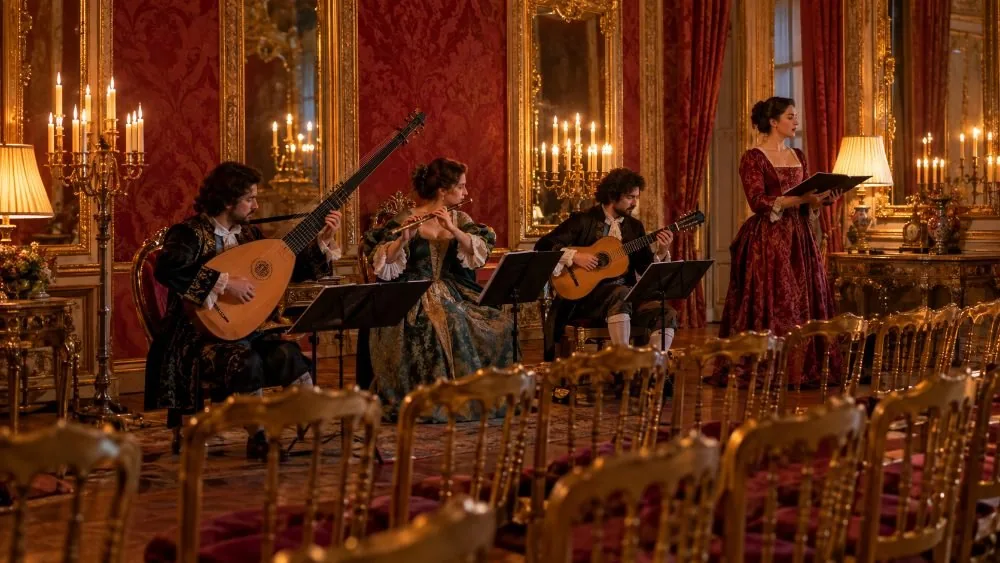 Evenings only
Rome: Opera Concert in Palazzo Doria Pamphilj
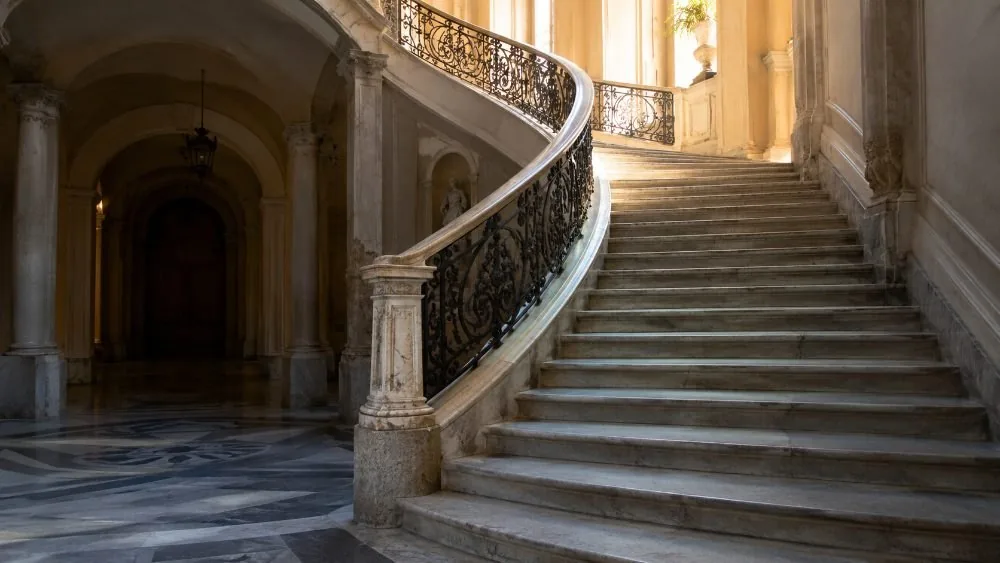 Timed entry
Pamphilj Gallery Skip The Line Tickets and Audio Guide
What people actually wrote
Straight from the operators’ GetYourGuide listings. Notice how often the word “crowded” turns up with a “not” in front of it, at a gallery where one of the six products is sold on skipping a queue. Three of the six listings had no review text to quote, so they are not quoted here and I have not invented anybody for them.
Beautiful gallery, which was not overall crowded. Process was easy to get in!
A fabulous palazzo and gallery, beautifully preserved. Very interesting place and not overcrowded.
What a wonderful gem in the heart of Rome. No crowds and the collection was so interesting.
Brilliant gallery Worth to book the secret rooms as they are outstanding
our guide Alessandra was outstanding. She communicated her passion and knowledge for the history and art superbly.
If you love opera and classical music, this is a wonderful early evening event. We loved the intimate setting.
Ratings and reviews are the operators’ live GetYourGuide figures. Read our full tour reviews ›
Four things I get asked before anyone asks about the pictures
Four questions, a paragraph each, from seven years of standing behind a counter.
Is this the Villa Doria Pamphili, the big park?
No, and the two get confused constantly — to the point where one major review platform files reviews of the palace under the villa’s listing. The villa is a public park of about 1.8 square kilometres in the Monteverde quarter on the Gianicolo, just outside Porta San Pancrazio, Rome’s largest landscaped public park, bought from the family by the City of Rome between 1965 and 1971. It is nowhere near Via del Corso. The gallery is a house in the middle of the centro storico, three minutes from Piazza Venezia. The two places, told apart.
Do I need to book, or can I just turn up?
Both answers are in play and I will give you both. The gallery says access cannot be guaranteed without a reservation and runs entry in 30-minute slots, so a booking buys you a time and the certainty of it. The ticket office also sells on site, and walk-up availability is generally reported as good, thinning in peak season and on Friday to Sunday mornings. One Australian reviewer of the entry ticket wrote that he would buy at the door next time rather than through a reseller, and that he spent nearly four hours inside and still could not take it all in. When booking ahead genuinely helps, and whether it sells out.
Did the pope really say “troppo vero”?
It is a story people tell, and a good one: Innocent X standing in front of the Velázquez and saying È troppo vero, it is too true. Experts doubt it. I am not going to print it as fact and neither should anyone else, because the picture does not need the anecdote — Taine wrote that once it has been seen it is impossible to forget, and Francis Bacon made more than forty-five variants of it in the 1950s and early 1960s without ever putting one of them in this building. The anecdote, weighed, and why Bacon kept repainting it.
Why is there nothing on the walls to tell me what I am looking at?
Because the hang is the historic one. The pictures follow the late eighteenth-century arrangement described in a manuscript of 1767, stacked frame to frame in corridors and grouped for symmetry rather than by school or date, and a modern label rail would undo the thing you came to see. What identifies the works is the audio guide, which is the gallery’s primary interpretation tool and is included with admission. Collect one at the desk, and do not arrive at the end of the day expecting the supply to hold. The 1767 hang, and the commentary that replaces the labels.
Can’t make these dates?
Browse more available Doria Pamphilj Gallery tickets and tours and find one that fits your schedule — all with instant confirmation and free cancellation.
The Doria Pamphilj, explained
I grew up on Via della Gatta, the street along the back of this palace, and later spent seven years on the ticket desk and the audio-guide counter of a private gallery on Via del Corso. The useful thing to know about the Galleria Doria Pamphilj is that it is a house rather than a museum. Almost everything else follows from that.
A private house that lets you in
The collection belongs to the princely Roman family Doria Pamphilj, and since 2013 the assets have been held by the Doria Pamphilj Trust, set up to keep the family’s artistic heritage whole. It is neither a state nor a municipal museum, so the schemes you have read about do not reach it. The palazzo is likely the largest in Rome still in private ownership, and the official site says the Private Apartments on the piano nobile are still inhabited by the family. Prince Jonathan has put it plainly: “The inheritance I most enjoy is the Palazzo Doria Pamphilj, where I live in Rome, and the art collections.” What that changes for a visitor.
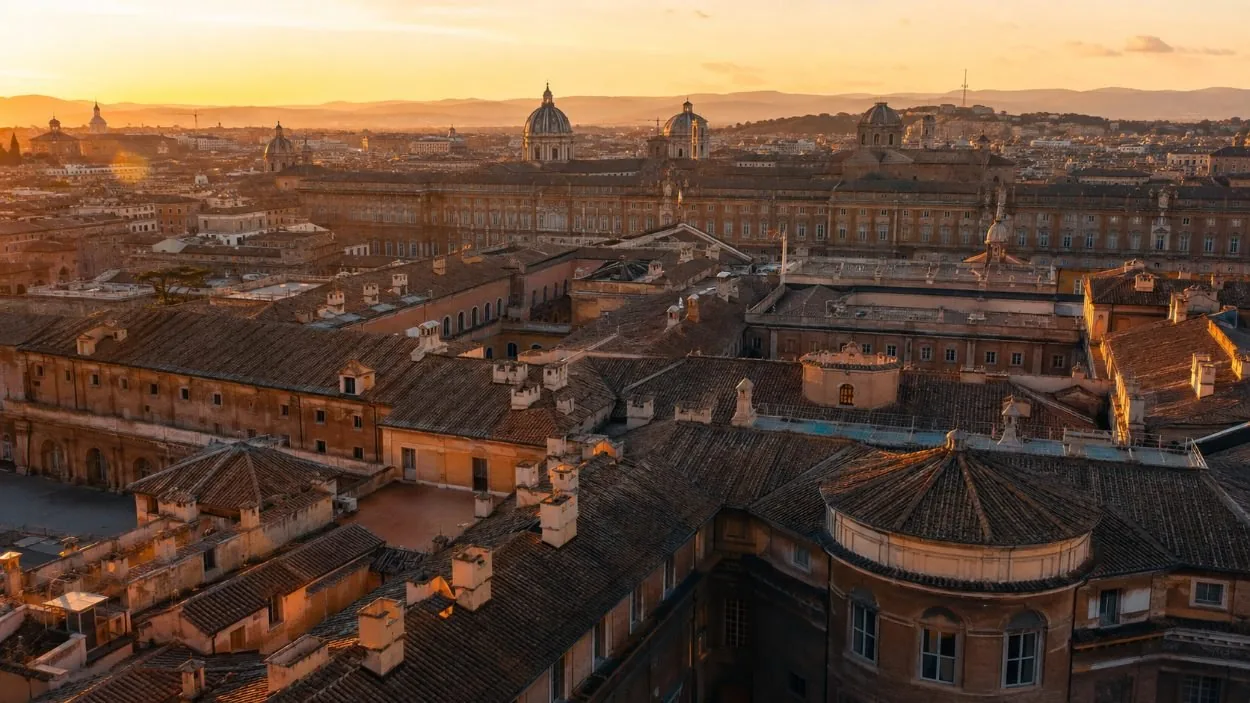
Why it looks like that
The pictures are stacked frame to frame, several rows high, in corridors rather than in galleries. That is deliberate. The gallery’s own wording is that the paintings are arranged according to the late eighteenth-century arrangement, as described in a manuscript of the Doria Pamphilj Historical Archives dated 1767. Francesco Nicoletti designed it; the four wings had gone up between 1731 and 1734 under Gabriele Valvassori, who also rebuilt the Via del Corso façade in Rococo in 1734. Works are grouped for symmetry and style rather than by school or date, which is what a modern rehang would destroy.
So little or nothing on the wall walks you through it. No source I trust states flatly that there are no labels, so I will not either; what I can tell you is what the hang is and what the gallery uses in place of a label rail. The 1767 arrangement, in full.
The audio guide does the labelling, and the owner recorded it
This is the keystone. The official wording is that audio guides in Italian, English, French and Spanish are included in the admission ticket, subject to availability, and you collect one at the entrance. The Italian says fino ad esaurimento, while supplies last: turn up late in the day and there may be none. Four languages, and German is not among them, whatever a third-party page claims.
The voice is Prince Jonathan Doria Pamphilj’s. Frommer’s calls it colorfully narrated by the prince himself, who recalls roller-skating in the palazzo as a child, and he has confirmed writing it: “We have a lot of positive comments, particularly about the audio-guide I made.” It wanders, the way a person showing you round their own house wanders. How long it runs, nobody publishes; whether you get a device or an app, the listings and the gallery disagree. This is why I am blunt about the catalogue, where several listings sell entry “with audio guide” in the headline for a commentary the desk gives you anyway. What each listing really adds.
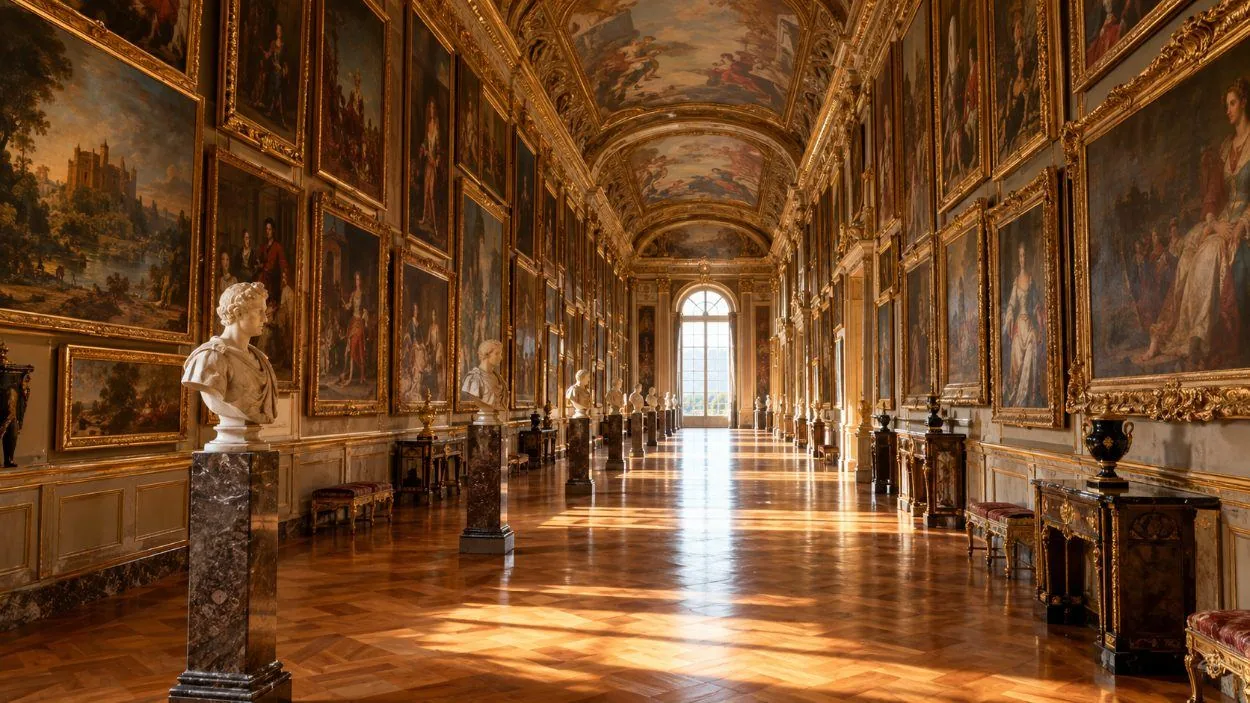
Four things to be sure you look at
The Velázquez. The Portrait of Pope Innocent X, 141 by 119 centimetres, painted probably in the summer of 1650, in a cabinet of its own with Bernini’s white Carrara marble bust of the same pope beside it since 1927. Taine called it the masterpiece amongst all portraits. The picture and the room.
The third Caravaggio. Most guides count two. There are three: the Penitent Mary Magdalene from the early 1590s, the Rest on the Flight into Egypt of around 1597, and the Saint John the Baptist, the Youth with a Ram, composed in 1601 or 1602. Why the third falls off the lists.
The Hall of Mirrors. The second wing, designed in 1731: gold-framed Venetian mirrors alternating with classical statuary under Aureliano Milani’s ceiling fresco of the Labours of Hercules, 1731 to 1734, a subject that nods at the family’s claimed mythological ancestry.
The Green Room. Memling’s Lamentation over the Dead Christ with a Donor of about 1470, and Filippo Lippi’s Annunciation of about 1445 to 1450, which Prince Jonathan has singled out as unusually Anglo-Saxon in taste for an Italian collection. The rest of the route.
Three traps, and none of them is the ticket
Wednesday. Rome shuts its museums on Monday. This one opens on Monday and closes every Wednesday, plus 1 January, Easter Sunday and 25 December. A widely repeated line says it shuts only on the third Wednesday of the month. It does not. The closing days.
Your rucksack. There is no cloakroom, and the official wording is that it is strictly forbidden to enter the gallery premises with large pieces of luggage, bags or rucksacks. Small bags only; animals, food, drink and umbrellas are barred too. Bag storage exists nearby. What to do instead.
The stairs. The gallery is on the first floor and there is no lift; the official page says so in both languages. Beyond that I cannot confirm anything — wheelchair availability, accessible toilets, a step-free route. Phone the gallery on +39 06 6797323 before you travel. What is published, and what is not.
What I would do
Allow about 90 minutes, the gallery’s own figure; one reviewer stayed nearly four hours and nobody moved him along. Come on a weekday morning, early enough that the audio-guide supply is still healthy. Reserve a slot between April and October or on a weekend morning, and otherwise do not lose sleep over it, because the desk sells at the door and reviewers keep using the word uncrowded. What else is close.
Frequently asked questions
Which day is the Galleria Doria Pamphilj closed?
Wednesday, every week — not Monday, which is the day most Roman museums take off. It also closes on 1 January, Easter Sunday and 25 December. A common third-party error says it shuts on the third Wednesday of each month; that is wrong, and believing it will cancel your morning for you. Opening is 09:00 to 19:00 on Monday, Tuesday and Thursday with last entry at 18:00, and 10:00 to 20:00 Friday to Sunday with last entry at 19:00. The full hours, including the ticket office, and why the Wednesday catches people.
Is the audio guide included at the Doria Pamphilj?
Yes. The gallery’s own wording is that audio guides in Italian, English, French and Spanish are included in the admission ticket, subject to availability, and you collect one at the entrance. The Italian phrasing is fino ad esaurimento, while supplies last, so the supply is finite and arriving late in the day may mean none is left. German is not offered, whatever a third-party page tells you. Whether it is still a physical handset or has become a smartphone app I cannot confirm: third-party listings advertise an app, the gallery says only that it is included. The whole question, unpicked.
Who narrates the audio guide?
Prince Jonathan Doria Pamphilj, who owns the collection and lives in the palazzo. Frommer’s describes it as colorfully narrated by the prince himself, who recalls roller-skating in the palazzo as a child, and he has confirmed the authorship in his own words: “We have a lot of positive comments, particularly about the audio-guide I made.” Independent write-ups call it whimsical, and it mixes family anecdote with description of the works. Who owns the place, and whether the family still lives there.
How long do you need at the Galleria Doria Pamphilj?
The gallery recommends about 90 minutes, following the audio guide, and there is no enforced time limit. Other guides say one to two hours. One reviewer of the entry ticket spent nearly four hours and wrote that he still could not take it all in. What moves the number is whether you use the commentary, whether you stop properly in the Velázquez Cabinet, and whether you add the Secret Apartments, which are a separate visit. What changes the number.
Do you need to book the Doria Pamphilj in advance?
Not the way you need to book the Borghese, where booking is compulsory for everyone, no tickets are sold at the door and the building is capped at 180 people per shift. Here, entry runs in 30-minute slots, the gallery says access cannot be guaranteed without a reservation, and the on-site ticket office sells anyway, with walk-up availability generally reported as good and thinning from April to October and on Friday to Sunday mornings. Book if you want a fixed time in peak season. The honest answer, and the comparison in full.
Is there a lift, and is there a cloakroom?
No to both, and they catch different people out. The gallery is on the first floor, the piano nobile, and the official page says in both languages that there is no lift, so you walk up from street level. And it is strictly forbidden to enter the gallery with large pieces of luggage, bags or rucksacks, with no cloakroom to leave them in — bag-storage services exist nearby. If you have access needs, phone the gallery on +39 06 6797323 before you travel; I will not promise you a step-free route that nobody publishes. What we can and cannot confirm, and what to do with a bag.
How many Caravaggios are in the Doria Pamphilj?
Three, although most guides list two. The Penitent Mary Magdalene and the Rest on the Flight into Egypt are the two everybody names; the third is the Saint John the Baptist, the Youth with a Ram, recognised by scholars as from Caravaggio’s own hand, its composition dating from 1601 or 1602 and painted while he was living at the Palazzo Mattei. Eleven copies of it are known, which is part of why it falls off the lists. All three, with the correction, and what else to stop at.
Still have questions? Email us [email protected]